BackgroundDr.
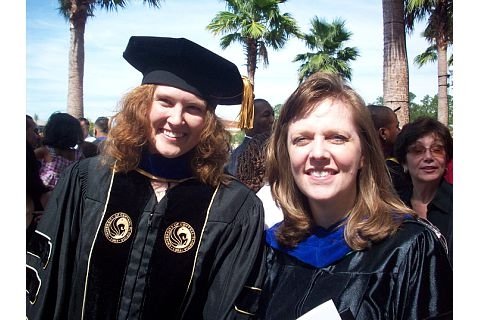
Asberg came to WCU in 2008 after completing her Ph.D. in clinical
psychology at the University of Central Florida and a fellowship in
Clinical and Community Psychology at Yale. Since arriving at
WCU, Dr. Asberg and her students have been actively involved in research
and have presented at local, regional, and national conferences. Many of the students who worked in the SVEA lab have gone on to graduate school in psychology, counseling, social work, and related fields. Purpose and AimResearch conducted in the SVEA lab serves multiple purposes. First, we aim to inform prevention, intervention, and educational efforts related to stress and trauma. Second, we strive to provide psychology students with an opportunity to get involved "hands on" with research and to gain an appreciation for psychology as a science in a way that also strengthens their connection to the community. For example, our collaborators include the Charles George VAMC in Asheville and the Department of Social Services in Haywood County, as well as departments around the university.
|
About the Research:
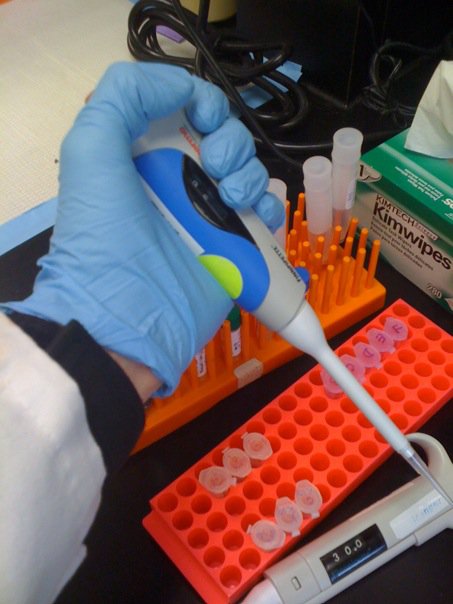
In the SVEA Lab, we conduct research studies related to traumatic stress and resilience. We primarily focus on these four areas: a) the impact of child maltreatment on indicators of current functioning, b) child protective services interventions and abuse recidivism, c) stress response system (endocrinological factors) and personality as predictors of veterans' adjustment, and d) emotion regulation, coping, and social support as moderators/mediators in the stress - well-being relationship. Who Are We?The SVEA lab consists of undergraduate and graduate students who collaborate on various projects under the supervision of Dr. Asberg. We all share a passion for research and statistical methods, and we hold weekly meetings to discuss our ongoing studies and brainstorm about ideas for new projects. If you are interested in gaining research experience related to the topics noted above, please contact Dr. Asberg for more information. Email: kasberg@wcu.edu NOTE: Opportunities in the SVEA lab are limited to between 2 and 4 undergraduate students each academic year for the PSY 280/480 research experience. In terms of graduate students in clinical psychology, I usually work with 1 or 2 students from each incoming class, but students are not accepted into our program, nor are they excluded, solely based on fit with a particular mentor/faculty. For more details about our MA program in psychology, please see the website: http://www.wcu.edu/6839.asp CURRENT (ONGOING/UPCOMING) STUDIES: Abuse recidivism/DSS study (David, Gwen, Kayla) Schizotypy and Cannabis study (Brittany's Thesis) Rejection Sensitivity study (Jessica's Thesis) Family Environment and Child Abuse study (Gwen) Coping with Child Abuse study (Kayla)  |
|||
SELECT (REPRESENTATIVE) PUBLICATIONS
Asberg, K., & Renk, K. (Forthcoming). Perceived social support and external locus of control as predictors of psychological adjustment among incarcerated females with or without a history of childhood maltreatment. Accepted for publication in International Journal of Offender Therapy and Comparative Criminology. Asberg, K. (Forthcoming). Hostility/anger as a mediator between college students’ emotion regulation abilities and symptoms of depression, social anxiety, and generalized anxiety. Accepted for publication in The Journal of Psychology: Interdisciplinary and Applied. Solomon, D., & Asberg, K. (Forthcoming). Effectiveness of child protective services interventions as indicated by rates of recidivism. Accepted for publication in Children and Youth Services Review. Asberg, K., & Renk, K. (April, 2012). Avoidance coping mediates the relationship between trauma symptoms and substance abuse among incarcerated females with a history of childhood sexual abuse: Implications for treatment. Substance Use and Misuse, 47(7), 799-808. doi: 10.3109/10826084.2012.66944 Asberg, K., & Renk, K. (February, 2012). Comparing incarcerated and college student women with a history of childhood sexual abuse: The role of abuse severity, support, and substance use. Psychological Trauma: Theory, Research, Practice, and Policy. doi: 10.1037/a0027162 MANUSCRIPTS IN PREPARATION
RECENT CONFERENCE PRESENTATIONS *= graduate student author, ^ = undergraduate student author 2012
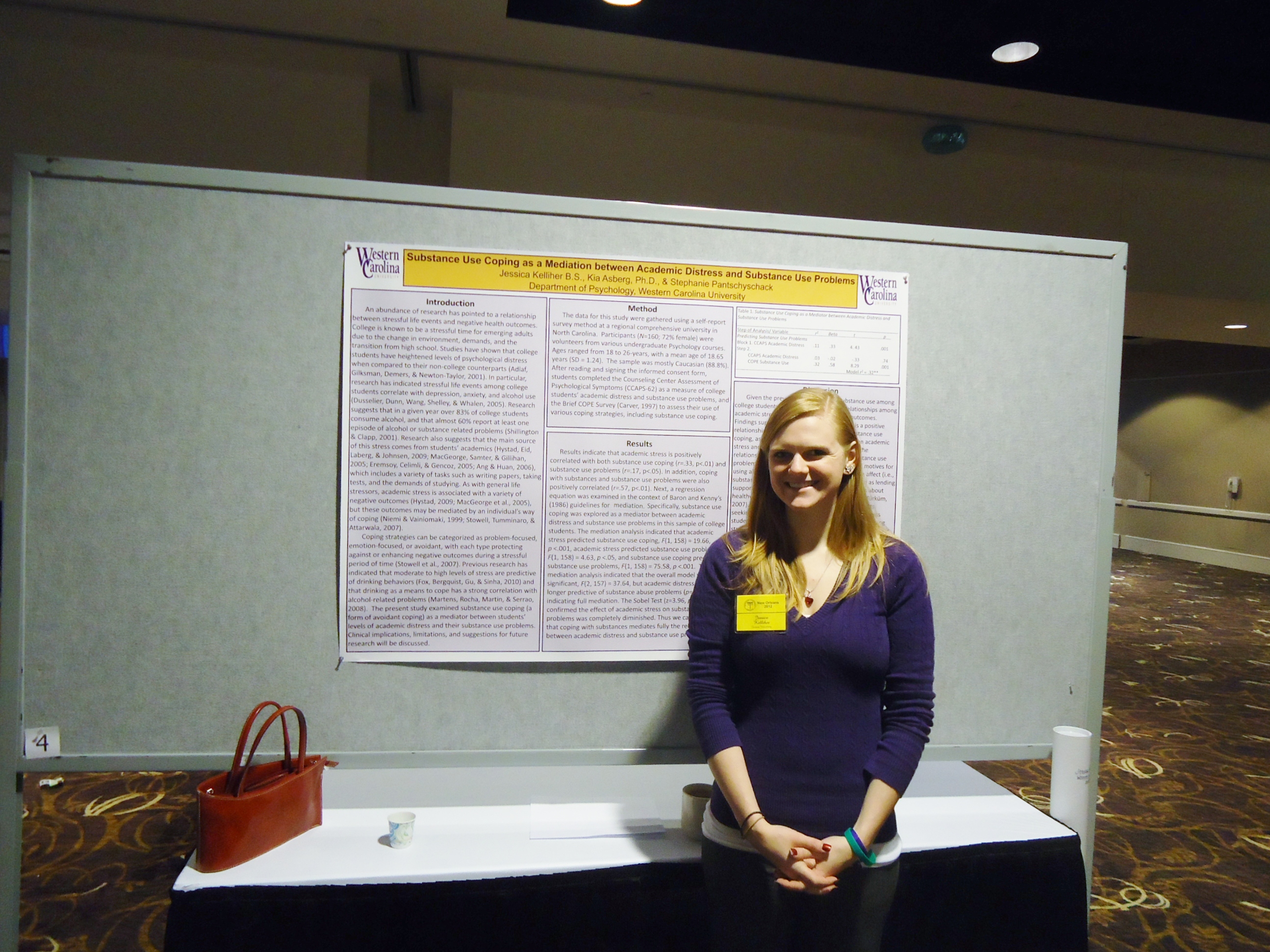
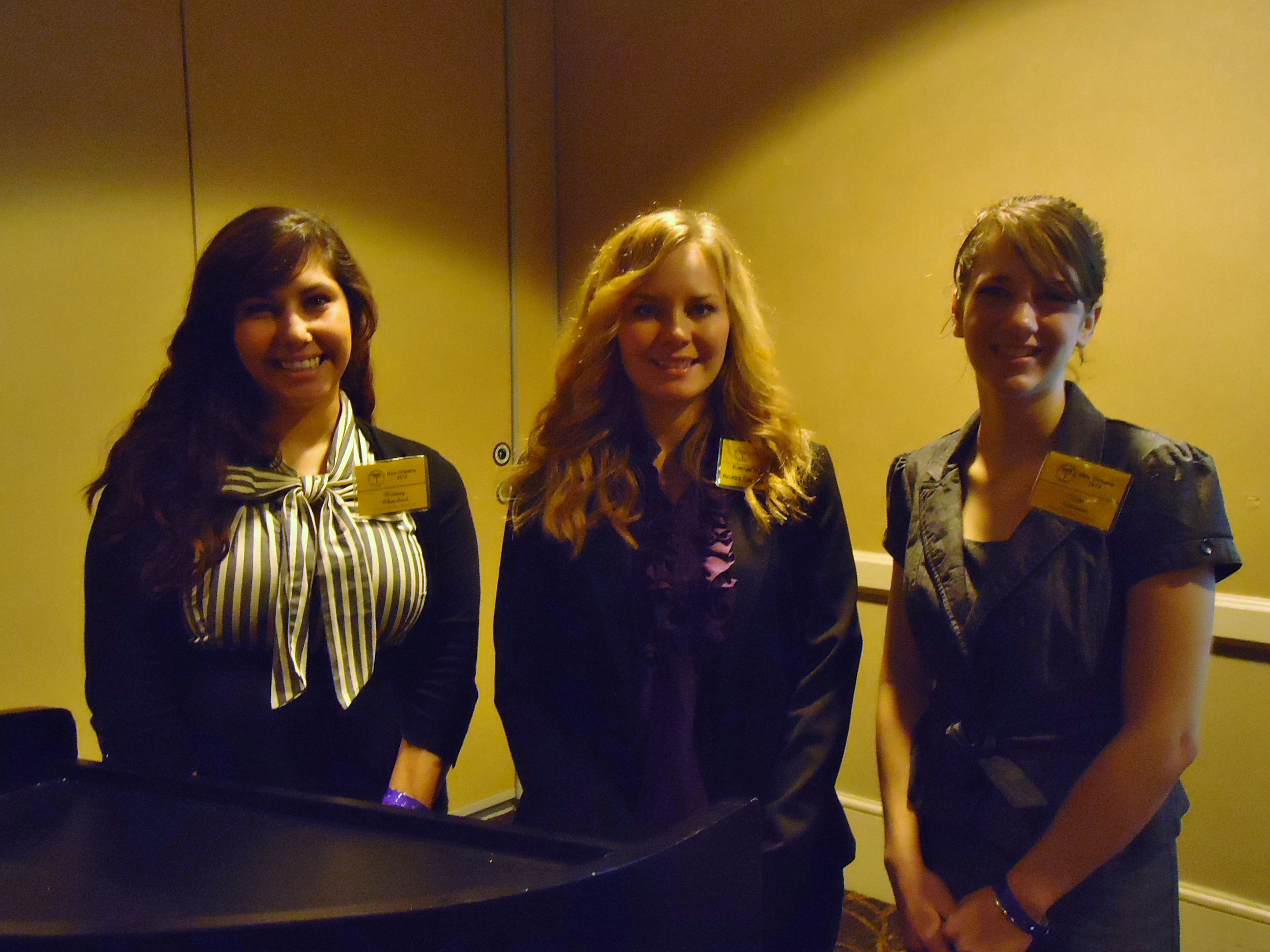
Asberg & Renk (Nov, 2012). Safer in jail? A comparison of previously homeless and non-homeless incarcerated women. Poster to be presented at the Annual Conference of the Association for Behavioral and Cognitive Therapies, National Harbor, MD. Blanchard*, Asberg, Pfeifer* & Bobadilla (Nov, 2012). Blunted cortisol response in veterans with substance use disorders: Treatment implications. Poster to be presented at the Annual Conference of the Association for Behavioral and Cognitive Therapies, National Harbor, MD. Kelliher* & Asberg (Nov, 2012). Coping among socially anxious and non-anxious emerging adults: One size does not fit all. Poster to be presented at the Annual Conference of the Association for Behavioral and Cognitive Therapies, National Harbor, MD. Solomon*, McAbee*, McGee^ & Asberg (Nov, 2012). Does knowing sexual minority individuals predict lower rates of homophobia? Poster to be presented at the Annual Conference of the Association for Behavioral and Cognitive Therapies, National Harbor, MD. Russell*, Asberg, Morgan* & McCord (Feb, 2012). Differentiating between “higher” and “lower” risk for child re-abuse. Poster presented at the Annual Meeting of the Southeastern Psychological Association, New Orleans, LA. Pantschyschak*, Asberg & Kelliher* (Feb, 2012). Coping, stress, support and life satisfaction in socially anxious students. Poster presented at the Annual Meeting of the Southeastern Psychological Association, New Orleans, LA. Kelliher*, Asberg & Pantschyschak* (Feb, 2012). Coping mediates the relationship between academic distress and substance use. Poster presented at the Annual Meeting of the Southeastern Psychological Association, New Orleans, LA.
|
||||